


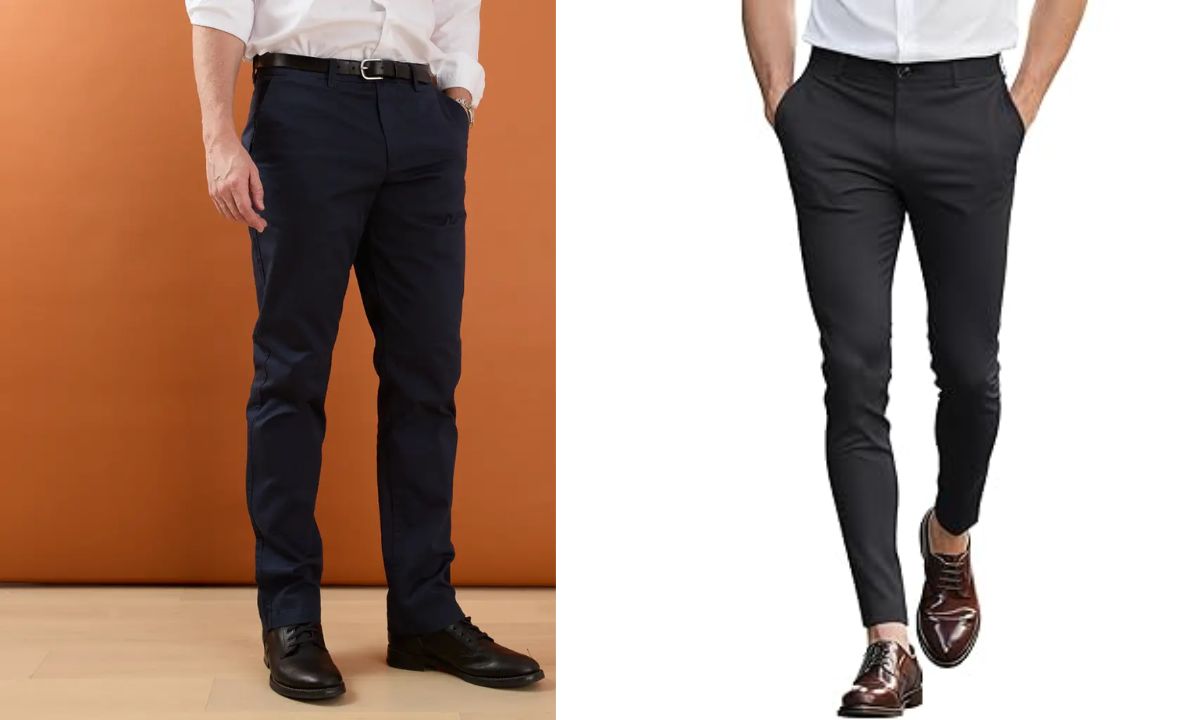
Getting dressed for work shouldn’t feel like solving a puzzle. Yet many professionals struggle with one question: what counts as business casual slacks? The answer matters because the right pants help you look professional while feeling comfortable enough to tackle your workday.
Slacks for business casual sit in that sweet spot between formal suit pants and everyday jeans. They give you polish without making you feel overdressed. Whether you’re meeting clients, presenting to your team, or just working through your daily tasks, the right slacks make everything easier.
Understanding Business Casual Slacks
Business casual slacks are professional pants that work for office environments without requiring a full suit. They look put-together but feel more relaxed than traditional dress pants. Think of them as the pants you’d wear to impress without looking like you’re heading to court or a wedding.
These slacks come in various styles. Chinos offer a classic look with cotton twill fabric. Dress pants in lighter materials provide structure without weight. Wool-blend trousers add sophistication while staying comfortable. The key is finding pants that match your workplace culture while keeping you comfortable.
Most offices accept slacks in neutral colors with clean lines and a tailored fit. They should look intentional, not like you grabbed whatever was clean. The right pair shows you respect your professional environment while prioritizing comfort and mobility.
Choosing the Right Fabric
Fabric determines how your slacks look and feel throughout the day. Cotton slacks breathe well and work great in warmer weather. They wash easily and resist wrinkles when blended with a bit of stretch material. Cotton also comes in various weights, letting you adjust for different seasons.
Wool blends give you year-round versatility. The wool provides structure and helps slacks hold their shape, while synthetic fibers reduce wrinkles and simplify care. These slacks often photograph well and maintain a crisp appearance from morning until evening. They’re worth the investment if you want pants that look expensive without the premium price tag.
Performance fabrics have changed the game for business casual slacks. These materials wick away moisture, repel stains, and bounce back from wrinkles without ironing. If you travel frequently, work in humid climates, or simply want pants that require less fussing, performance fabrics deliver. Many people wear these slacks all day without any discomfort.
Linen and linen blends work for summer months in more casual offices. They breathe exceptionally well but wrinkle easily. If your workplace accepts a slightly rumpled look, linen slacks keep you cool when temperatures rise. Just avoid them for important meetings where you need crisp appearance.
Selecting Colors That Work
Navy slacks belong in every business casual wardrobe. They pair with practically any shirt color and work in both conservative and creative workplaces. Navy reads as professional without being as formal as black. You can wear navy slacks multiple times per week without anyone noticing the repetition.
Charcoal gray offers similar versatility with a different tone. These slacks work equally well with cool and warm colors. Gray pairs beautifully with white shirts for a clean look or with burgundy and olive for more personality. Like navy, gray slacks blend into most office environments without issue.
Khaki and tan slacks bring a lighter, more approachable vibe to your outfits. These colors shine in spring and summer but work year-round in most climates. They complement blue, white, and pastel shirts perfectly. Khaki slacks read as slightly more casual than navy or gray, making them ideal for relaxed Fridays or creative industries.
Stone, beige, and camel tones offer variation on the tan theme. These earthy colors work well for professionals who want alternatives to standard khaki. They pair with most shirt colors and create a softer overall appearance than darker slacks.
Olive slacks add personality without crossing into bold territory. This versatile color works with navy, white, burgundy, and brown tops. Olive feels modern while remaining professional enough for most business casual environments.
Burgundy, rust, and other rich tones work in creative fields or offices with relaxed dress codes. These colors show style awareness while keeping things professional. Start with one pair to test how they fit your wardrobe before buying more.
Black slacks work for business casual, though some consider them too formal. They pair easily with most colors and hide stains well. Black works best in urban offices or industries where a sharper look is valued. Just avoid pairing black slacks with brown shoes.
Getting the Perfect Fit
Fit matters more than brand names or price tags when choosing slacks for business casual. Your pants should sit comfortably at your natural waist without pinching or gaping. When you button them, you should be able to slide two fingers inside the waistband comfortably.
The seat of your slacks needs to fit smoothly without excess fabric bunching or pulling tight. Too much fabric creates an unprofessional appearance and makes you look sloppy. Pants that are too tight restrict movement and create unflattering lines across the hips and thighs. Stand, sit, bend, and move around in the fitting room to test real-world comfort.
Thigh and leg fit should allow comfortable movement without excessive fabric. Modern fits range from slim to relaxed, so choose what flatters your body type. Slim fits look current and clean but require the right body shape to pull off. Straight fits work for most people and never go out of style. Relaxed fits offer comfort but can look dated if too baggy.
Length makes or breaks the look of your slacks. The hem should break slightly on your shoe, creating one small fold in the fabric. This “break” signals proper tailoring. Pants that stop above your ankle look juvenile unless you’re wearing them with loafers and no socks in a very casual office. Pants that bunch at the ankles appear sloppy and suggest poor fit.
Most stores offer free hemming when you buy slacks. Take advantage of this service rather than trying to roll or cuff pants that are too long. Professional hemming costs little and makes a huge difference in how polished you appear.
Rise refers to where the waistband sits on your body. Mid-rise slacks work for most people and most situations. Low-rise pants can reveal too much when you sit or bend. High-rise pants have returned to fashion but may not work in all offices. When in doubt, choose mid-rise.
Styling Your Slacks
Button-down shirts in solid colors pair perfectly with business casual slacks. Oxford cloth, poplin, and other classic shirt fabrics work well. Stick to white, light blue, and other neutral colors for versatile options. Add patterned shirts once you have solid color basics covered.
Polo shirts can work in more casual business environments. Choose quality fabrics over cheap alternatives. The polo should fit well without being too tight or too loose. Solid colors and subtle patterns work better than loud designs for professional settings.
Layering adds polish and versatility to your slacks. A blazer transforms basic slacks into a more formal outfit suitable for client meetings or presentations. Sport coats provide similar elevation with slightly more personality through pattern and color. Sweaters and cardigans add warmth and style during cooler months.
Shoes complete your business casual look. Leather dress shoes in brown or black keep things professional. Loafers offer comfort without sacrificing style. Oxfords and derbies work for slightly more formal situations. Clean leather sneakers might work in very casual offices, but verify your workplace culture first.
Belt color should match your shoes for a coordinated appearance. Brown belt with brown shoes, black belt with black shoes. This simple rule creates visual harmony in your outfit. Choose quality leather belts that will last years rather than cheaper alternatives that crack and fade.
Socks matter more than you might think. Match sock color to your slacks rather than your shoes. This creates a clean line and makes your legs appear longer. Avoid white athletic socks with business casual slacks unless you want to announce you don’t understand professional dress.
Caring for Your Slacks
Read care labels before washing your slacks. Many can be machine washed on gentle cycles, but others require dry cleaning. Washing instructions exist for a reason—following them extends the life of your pants and keeps them looking new longer.
Hang your slacks after each wear to let them air out and prevent wrinkles. Use pants hangers that clip at the hem rather than folding slacks over a regular hanger. This maintains the front crease and prevents new wrinkles from forming at the fold.
Iron or steam your slacks before first wearing them and whenever they appear wrinkled. Most fabrics respond well to medium heat. Pay special attention to the front crease, which helps slacks look sharp and intentional. A crisp crease signals attention to detail.
Spot clean minor stains rather than washing entire pants if possible. This reduces wear on the fabric and saves time. Keep a stain removal pen at your desk for emergency touch-ups during the workday.
Rotate your slacks rather than wearing the same pair repeatedly. This gives fabric time to recover and reduces wear patterns. Aim to wear each pair once or twice per week maximum. More frequent wearing accelerates deterioration.
Store off-season slacks in garment bags or breathable storage containers. This protects them from dust, moths, and other damage. Clean slacks before storing them, as stains set over time and become harder to remove.
Building Your Slack Collection
Start with three to five pairs in neutral colors. This gives you enough variety to get through the work week without constant laundry. Choose colors that mix and match with your existing shirts and shoes to maximize outfit combinations.
Your first three pairs should include navy, charcoal gray, and khaki or tan. These colors provide maximum versatility and work in virtually any business casual environment. Once you have these basics, add colors that suit your personal style and workplace culture.
Invest in quality over quantity when building your wardrobe. Better fabrics and construction mean your slacks will last longer and look better throughout their lifespan. One pair of quality slacks often outlasts three cheaper pairs while looking better the entire time.
Watch for sales at reputable retailers, but never compromise on fit. A perfect fit matters more than price. Cheap slacks that fit well beat expensive slacks that don’t flatter your body. Take time to try on multiple sizes and styles before buying.
Add variety gradually as your budget allows. Once you have solid basics, experiment with different colors, patterns, or styles. Subtle checks, windowpane patterns, or textured fabrics add interest while remaining professional. This keeps your wardrobe interesting while maintaining a strong foundation.
Consider different fabric weights for different seasons. Lightweight slacks for summer, heavier fabrics for winter. This makes dressing appropriately easier and keeps you comfortable year-round.
Common Mistakes to Avoid
Wearing wrinkled slacks undermines your professional image instantly. Take the time to iron or steam your pants, especially if they’ve been sitting in your closet. Those extra few minutes make a noticeable difference in how put-together you appear. Wrinkles suggest carelessness or rushed mornings.
Choosing slacks that are too tight hurts both comfort and appearance. Tight pants restrict movement, create unflattering lines, and often lead to premature wear in stress areas. You should be able to sit, walk, and move freely without thinking about your pants.
Wearing slacks that are too loose creates the opposite problem. Baggy pants make you appear sloppy or suggest you haven’t updated your wardrobe recently. Excess fabric collects and bunches, destroying the clean lines that make slacks look professional.
Neglecting your shoes and belt creates disconnect in your outfit. Even perfect slacks look sloppy with scuffed shoes or a worn belt. Keep these accessories in good condition and replace them when they show significant wear. Your overall appearance only works when all elements look intentional.
Ignoring fit in favor of brand names wastes money. A perfectly fitting pair of slacks from a mid-range brand beats poorly fitting designer pants every time. Focus on how clothes fit your body rather than what label is inside.
Wearing the same slacks too frequently accelerates wear and makes you look like you have a limited wardrobe. Rotate through your collection to extend the life of each pair and keep your look fresh.
Forgetting to check weather and dress appropriately for the season makes you uncomfortable. Wool slacks in summer heat or lightweight chinos in winter cold suggests poor planning. Match fabric weight to weather conditions.
Understanding Your Workplace Culture
Different offices have different expectations for business casual slacks. Conservative industries like finance and law lean toward darker colors and traditional styles. Creative fields often accept more variety in color, pattern, and style. Pay attention to what others in your workplace wear, especially those who are successful and respected.
Tech companies often have the most relaxed business casual standards. Some allow dark jeans or very casual chinos. Others expect more traditional slacks. When starting a new job, err on the side of formal until you understand the culture.
Client-facing roles typically require more polished appearance than back-office positions. If you meet customers, vendors, or partners regularly, invest in higher-quality slacks and maintain them carefully. Your appearance represents your company to outsiders.
Regional differences affect business casual expectations. Major coastal cities often embrace more fashion-forward styles. Southern offices may lean more conservative. Midwest workplaces often split the difference. Consider location when building your wardrobe.
Ask about dress code during interviews or when starting a new position. Most managers appreciate the question and view it as showing respect for company culture. Clarifying expectations beats guessing wrong and having to change.
Shopping Tips
Try slacks on in the afternoon or evening when your body has settled into its normal size. Morning measurements can be misleading, as many people retain more fluid early in the day. This ensures better fit for actual work hours.
Bring the shoes and belt you’ll wear with slacks when shopping. This helps you see the complete look and judge proper length. Shoes affect how slacks hang and break at the ankle.
Shop at stores with good return policies when buying slacks online. Fit varies significantly between brands and even between styles from the same brand. Being able to return or exchange easily removes risk from online shopping.
Consider made-to-measure or custom slacks if you have difficulty finding ready-made pants that fit. Many services now offer custom slacks at reasonable prices. Perfect fit elevates your entire appearance and makes getting dressed easier.
Don’t rush the shopping process. Try on multiple sizes and styles before deciding. Walk around the store, sit down, and move naturally to test comfort. A few extra minutes in the fitting room saves you from buying pants you won’t wear.
Seasonal Considerations
Summer calls for lightweight fabrics and lighter colors. Cotton, linen blends, and performance fabrics keep you cool in hot weather. Tan, khaki, light gray, and stone colors reflect heat better than dark shades. Consider slacks with moisture-wicking properties if you work in humid climates.
Winter slacks should use heavier fabrics for warmth. Wool blends, corduroy, and heavier cotton twills all work well. Darker colors like navy, charcoal, and black suit the season and hide dirt better in wet or snowy conditions.
Spring and fall offer maximum flexibility. Medium-weight fabrics work comfortably in changing temperatures. Layer with sweaters or blazers as needed. These transition seasons let you wear any color in your wardrobe.
Some professionals maintain separate seasonal wardrobes, storing off-season slacks to save closet space and reduce daily decisions. Others prefer to keep everything accessible year-round for flexibility.
Moving Beyond Basics
Once you have a solid foundation, experiment with subtle patterns. Micro-checks, pin dots, and faint pinstripes add visual interest while remaining professional. These patterns work best in neutral color families like navy, gray, and brown.
Textured fabrics like herringbone, hopsack, or subtle tweeds elevate basic colors. The texture catches light differently and adds depth to your outfit. These slacks often look more expensive than smooth fabrics at similar price points.
Consider different rises and leg shapes as you become more confident. Slightly higher rises have returned to fashion and can be very flattering. Tapered legs create a modern silhouette. Just ensure any new styles suit your body type and workplace culture.
Cropped slacks that end above the ankle work in fashion-forward offices during warmer months. These require careful styling with appropriate footwear. When worn correctly, they look sharp and current. When worn incorrectly, they appear like pants that shrunk in the wash.
Frequently Asked Questions
What’s the difference between slacks and dress pants?
Slacks for business casual are generally less formal than traditional dress pants. Dress pants typically match suit jackets and use finer fabrics like worsted wool. Slacks offer more variety in fabric, color, and style while remaining office-appropriate. The terms overlap significantly, and many people use them interchangeably.
Can I wear jeans instead of slacks for business casual?
This depends entirely on your workplace culture. Some offices accept dark, well-fitted jeans without distressing or fading. Most traditional business casual environments expect slacks rather than denim. When starting a new job, wear slacks until you confirm whether jeans are acceptable.
How many pairs of business casual slacks do I need?
Most professionals do well with five to seven pairs. This allows you to rotate through different colors and styles throughout the week while always having clean options available. Start with three or four and build from there as budget allows.
Should my slacks have pleats or be flat-front?
Flat-front slacks create a cleaner, more modern look and work for most body types. Pleated slacks add room in the hips and thighs, which some people find more comfortable. They can make you appear heavier if not fitted properly. Most younger professionals prefer flat-front styles.
Are khakis and chinos the same thing?
Khaki refers to the color (tan/beige), while chino refers to the fabric type (cotton twill). You can have khaki-colored chinos, but chinos also come in navy, gray, olive, and other colors. The terms are often used interchangeably, though they technically describe different aspects of the pants.
What shoes work best with business casual slacks?
Leather dress shoes in brown or black are the safest choice. Loafers, oxfords, derbies, and monk straps all work well. Some offices accept clean, minimalist sneakers in neutral colors, but verify this with your workplace culture before wearing them to important meetings.
How should business casual slacks fit at the waist?
Slacks should sit comfortably at your natural waist without pinching or gaping. You should be able to slide two fingers inside the waistband when buttoned. If you need a belt to keep them up, they’re too big. If they leave marks on your skin, they’re too tight.
Can I wear black slacks for business casual?
Yes, black slacks work perfectly for business casual settings. They’re versatile, professional, and pair with most shirt colors. Some people prefer navy or gray for a slightly less formal appearance, but black remains a solid choice for most offices.
How long should business casual slacks be?
The hem should create a slight break where it meets your shoe, forming one small fold in the fabric. This length looks intentional and polished. Pants that stop above your ankle or bunch significantly at the bottom need adjustment.
What’s the best color for your first pair of slacks?
Navy slacks offer maximum versatility as your first pair. They work with almost any shirt color and fit into virtually any business casual environment. Build your collection from there with charcoal gray and khaki as your second and third pairs.
