


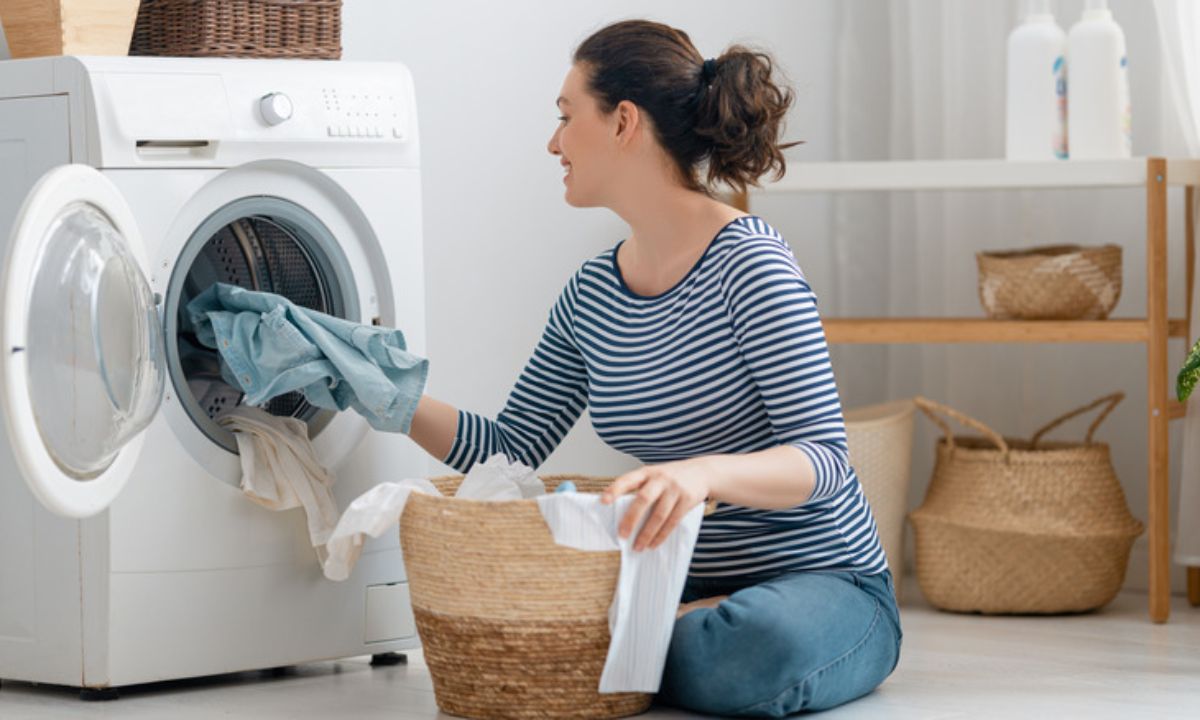
Laundry isn’t glamorous. It never will be. But in 2026, the way we approach this weekly necessity has quietly transformed into something smarter, more efficient, and honestly, less miserable than it was just five years ago. What was once a straightforward matter of sorting colors, tossing in detergent, and crossing your fingers has evolved into a science backed by technology, sustainability concerns, and genuine innovation.
The modern laundry challenge isn’t just about getting clothes clean anymore. It’s about protecting fabrics, managing water consumption, reducing energy bills, and figuring out why your partner’s favorite shirt keeps shrinking. This guide walks you through what’s actually changed, what still matters, and what’s worth caring about when it comes to washing your clothes.
The Laundry Landscape Has Fundamentally Shifted
Five years ago, we weren’t really talking about laundry innovation. Today, it’s genuinely on the agenda. Washing machine manufacturers are investing heavily in smart technology. Detergent companies are rethinking formulations. People are questioning whether they’re really washing their jeans too much.
The stats paint a clear picture. According to recent data, the average household does 8-10 loads of laundry per week. That’s roughly 400-500 loads annually, consuming between 15,000 and 25,000 gallons of water per year depending on machine efficiency. For a household that’s conscious about environmental impact, and increasingly, people are, those numbers matter.
What’s driving this shift? A combination of factors working together:
Rising Water Costs – Water is no longer treated as an infinite resource in many regions. Smarter washing machines that use less water aren’t a luxury; they’re becoming a necessity for budget-conscious households.
Environmental Awareness – The average wash cycle requires substantial energy. Microfiber pollution from synthetic fabrics is getting more attention. People are genuinely interested in doing laundry “better.
Technology Integration – Wi-Fi connected washing machines, cycle optimization, AI-powered fabric detection, these aren’t gimmicks. They’re functional tools that actually reduce damage to clothes and utility bills.
Textile Longevity – Quality clothes are expensive. The calculus has shifted. People want their investments in clothing to last longer, which means understanding proper washing techniques.
The laundry industry has noticed. It’s adapting.
Understanding Wash Cycles: What Actually Matters
Somewhere between delicate, normal, and heavy duty sits the actual science of how water, agitation, temperature, and detergent interact with fabric. Most people still treat wash cycles like they’re fixed variables—you pick one and hope for the best.
That’s outdated thinking.
Modern washing machines come with 10-20+ cycle options. The majority do nothing. A focused set of five to seven cycles handles essentially everything in your closet. Understanding which cycles do what, and more importantly, why, changes how you approach the task.
The Delicate Cycle: This isn’t for your grandmother’s doilies (though it would work). Delicate cycles use gentler agitation, cooler water, and shorter spin cycles. They’re ideal for anything with stretch, elastic, or fine knits. Bras, yoga pants, thin sweaters, all belong here. The gentle treatment prevents fiber damage that causes pilling and premature wear.
The Normal Cycle: This is your workhorse. It’s designed for everyday cotton items, t-shirts, socks, jeans, towels. It uses moderate agitation and standard water temperature. For most households, 80% of laundry goes here.
The Heavy Duty Cycle: Designed for heavily soiled items and durable fabrics. More agitation, hotter water, longer cycle. Bedsheets, work clothes, gym gear. Don’t use this for anything delicate; the intensity is real.
Quick Wash Cycles: These are actually useful, not just marketing. If you’ve worn a shirt for a few hours and it’s not actually dirty, just warm, a 15-20 minute quick cycle cleans it without the wear of a full wash.
Sanitize Cycles: During and after illness seasons, these matter. They use higher temperatures and extended periods to kill pathogens. They’re intense on fabric, so use judiciously.
The key insight: matching the right cycle to your garment category extends clothing lifespan measurably. We’re talking months, sometimes years of additional wear.
Temperature, Water Hardness, and the Role of Modern Detergent
Water temperature is one of the few laundry variables people actually think about. Cold or hot? That’s usually the entire temperature conversation.
It’s insufficient.
What matters more than temperature is water hardness, how much dissolved calcium and magnesium is in your water. Hard water doesn’t rinse soap away as efficiently, leaving residue that dulls colors and makes clothes stiff. It’s a legitimate problem in certain regions.
Here’s what’s changed: modern detergents now handle hard water better than their predecessors. Advanced enzymes and water-softening agents built into detergent formulations compensate for mineral content. You can actually wash in cold water with contemporary detergents and get comparable cleaning to warm water with detergent from a decade ago.
The catch? You need to use the right detergent. Cheap, generic formulations cut corners on enzyme technology. Premium detergents (you’re probably paying an extra dollar per load) have better hard water performance.
Water temperature still matters for specific tasks:
Hot water – Better for sanitizing. Use it for bedsheets during illness, towels in damp climates, work clothes with significant soil. The trade-off: it accelerates color fading and uses substantially more energy.
Warm water – A middle ground. Better than cold for cleaning heavy soil, acceptable for most colors. Energy-efficient without sacrificing too much cleaning power.
Cold water – Your best choice for 90% of laundry. Colors stay vibrant. Energy consumption is minimal. Modern detergents handle it well.
Here’s a practical framework: do delicate items and colors in cold with quality detergent. Do heavily soiled or bedding items in warm. Reserve hot for specific sanitization needs. You’ll notice the difference in both your utility bills and how long clothes actually last.
The Detergent Debate: Liquid, Powder, and Pod Considerations
Detergent choice impacts how effectively you wash, how much you spend, and what chemicals end up in waterways. It’s genuinely worth understanding the trade-offs.
Liquid Detergent: Better at handling oils and grease stains. Dissolves instantly. Measures easily. Downsides: takes up space, easy to overmeasure (which costs more and doesn’t clean better), and performs slightly worse in cold water compared to its predecessors.
Powder Detergent: Better in cold water, period. The mechanics of powder formulation work better in lower temperatures. More concentrated, so less storage space. Harder to measure accurately without a scale. Environmental advantage: significantly less packaging.
Pods: Convenient, pre-portioned, dissolve completely. But they’re the most expensive option per load and typically contain more surfactants and other chemicals than necessary. Not recommended for hand-washing or presoak situations.
The honest assessment: if you care about cost, use powder. If you care about environmental impact, also use powder (less water in transportation, minimal packaging). If you prioritize convenience and are price-insensitive, pods work fine. Liquid is somewhere in the middle.
One critical point most people miss: more detergent does not equal cleaner clothes. Modern formulations are powerful. Doubling the amount wastes money and actually can make rinsing harder. Follow the bottle’s recommendations based on load size.
Fabric Care Categories: A Practical System That Works
Instead of thinking about laundry as a monolithic task, think about it as four distinct fabric categories. Each category has specific requirements and consequences for improper care.
Natural Fibers (Cotton, Linen, Wool, Silk)
Cotton and linen are forgiving. Wash in appropriate temperatures with decent detergent, and they hold up well for years. The main risk: excessive heat causing shrinkage (usually permanent) and high-spin speeds damaging structure.
Wool and silk are more delicate. Wool can felt if exposed to hot water and agitation. Silk degrades with harsh detergent and high heat. Both benefit from gentle cycles and cooler temperatures. Hand-washing or delicate machine cycles are genuinely better for longevity.
The practical approach: separate natural delicates (wool, silk) from sturdy naturals (cotton, linen). Wash delicates on gentle cycle, cool water. Sturdy naturals can handle normal cycles with moderate temperatures.
Synthetic Fibers (Polyester, Nylon, Acrylic)
Most modern clothing is partially or entirely synthetic. These fibers are tough, they don’t shrink easily, they handle higher temperatures reasonably well, but they’re terrible at releasing oils and body soil. They also generate static easily.
Synthetics need hotter water or better detergent to clean effectively. The trade-off: higher heat accelerates degradation. The solution is using quality detergent designed for synthetics, which typically includes static-reducing agents.
Blends (The Most Common Category)
Cotton-polyester blends dominate casual clothing. They’re relatively forgiving. Wash in warm water with decent detergent on a normal cycle. They’ll last years with reasonable care.
The main risk with blends: treating them like pure cotton and exposing them to excessive heat and agitation. They don’t handle that as well as pure cotton.
Technical Fabrics (Moisture-Wicking, Waterproof, Stretchy)
These are increasingly common in athletic wear and functional clothing. They have specific requirements that matter:
- Moisture-wicking (polyester, nylon blends): Use cool water, avoid fabric softener (it ruins the wicking), gentle cycle recommended
- Waterproof or water-resistant: Can handle warm water, but avoid hot. Never use softener. Air dry rather than tumble dry to preserve the coating.
- Highly elastic (spandex-heavy): Cool water, gentle cycle, avoid heat. Elasticity degrades quickly with improper care.
Practical Tips That Actually Improve Results
This section abandons theory for actionable guidance people actually use.
Sort Intelligently: Don’t just separate colors from whites. Group by fabric type and weight. Wash towels separately from delicates. Wash jeans separately from t-shirts. This single change improves results more than most people realize.
Pretreat Stains Before Washing: Don’t rely on the wash cycle to handle stains. Apply stain remover, wait 15 minutes, then wash. The order matters—pretreating is more effective than adding stain remover to the wash.
Don’t Overload the Machine: A full machine is efficient, but overstuffing prevents proper water circulation. Fill it 75-80% full. Clothes need room to move for detergent and water to work properly.
Clean the Machine Monthly: Detergent residue, fabric lint, and mineral buildup accumulate. Run an empty hot cycle with white vinegar (two cups) monthly. Every few months, use a machine-cleaning product designed for your machine type (front-loaders and top-loaders need different approaches).
Choose the Right Drying Method: Tumble drying damages most fabrics. Air-drying preserves elasticity, prevents shrinkage, and uses no energy. For delicate items and anything with elastic, hang-dry. For towels and sturdy items, line-drying is fine, machine drying speeds things up when needed.
Use Fabric Softener Sparingly or Not at All: Fabric softener leaves a waxy coating that builds up over time, reducing absorbency (especially problematic for towels) and degrading technical fabrics. Skip it entirely. If clothes feel stiff after line-drying, a light vinegar rinse (half cup in the rinse cycle) is more effective anyway.
Water Temperature Matters More Than You Think: Most people wash everything in the same temperature. Separating cold and warm/hot loads lets you optimize each. Cold water for colors and delicates. Warm for heavily soiled items. This extends clothes lifespan noticeably.
Pros and Cons of Smart Washing Machines
Smart washing machines with Wi-Fi, cycle optimization, and remote monitoring represent real improvements, but they’re not universally necessary.
Advantages:
- Remote start/monitoring saves time coordination
- Soil sensors optimize water and cycle length, reducing waste
- Automatic dispenser systems portion detergent correctly
- Allergen modes genuinely help people with sensitivities
- Data tracking helps you understand actual laundry patterns
- Temperature and agitation auto-adjust based on fabric weight
Disadvantages:
- Cost premium is significant (often 30-50% more than comparable traditional machines)
- Software glitches occasionally happen; you need technical support
- Wi-Fi connectivity isn’t essential for clean clothes
- Dependency on manufacturer for repairs and updates
- Dispensing systems can clog and require maintenance
- Not all smart features justify their complexity
The honest verdict: if your current machine is broken, upgrading to a smart model is worthwhile. If your current machine works, a new smart machine isn’t necessary. The cleaning performance improvement is marginal. The real benefit is reduced resource consumption—which does matter for environmentally conscious households—and convenience features.
Common Laundry Mistakes Most People Still Make
Understanding what not to do often matters more than knowing what to do.
Washing Jeans Too Often: Jeans get softer with washing but degrade in color and structure. Wear them 5-7 times between washes. Spot-clean when needed. Most jeans don’t need a full wash.
Using the Same Detergent for Everything: Different fabric categories benefit from different formulations. Delicate detergent for delicates, regular detergent for cotton, synthetic-specific detergent for athletic wear. It’s not overthinking; it’s optimization.
Ignoring Care Labels: They’re printed for a reason. A “dry clean only” label exists because the fabric genuinely won’t survive home washing well. Ignoring it saves time but costs money in ruined clothes.
Drying Everything in the Machine: Excessive heat is the primary cause of premature fabric degradation. Most items benefit from air-drying. Line-drying takes space and time but extends clothing lifespan substantially.
Mixing Lint-Producing and Lint-Sensitive Fabrics: Wash towels, sheets, and fleece separately from dark clothes. Lint transfer is preventable with sorting.
Overmeasuring Detergent: “Extra detergent makes clothes cleaner” is outdated thinking. Modern formulations are concentrated. Using more than recommended wastes money and makes rinsing harder.
Frequently Asked Questions
Is cold water actually fine for everything
Cold water works for 90% of laundry with modern detergent. The 10% exceptions are heavily soiled items, bedding during illness, and items needing sanitization.
How often should I wash sheets
Weekly washing is standard. If you’re clean, sleep in the same bed most nights, and don’t sweat much, every two weeks works. During illness or excessive heat, weekly is better.
Should I separate by gender or fabric type
Fabric type matters far more. Gender-based separation is somewhat outdated. Separate by care requirements instead.
Is dry cleaning necessary for most clothes labeled dry clean only
Many “dry clean only” items will survive careful home washing on delicate cycle, cold water, with quality detergent. Test first on an inconspicuous area. It’s not guaranteed to work, but often does, saving money.
How do I prevent colors from fading
Wash in cold water, turn items inside-out, use quality detergent with color-protection formulation, and minimize time in sunlight when drying. These steps matter.
What’s the environmental impact of laundry
Average household laundry uses 15-25% of home water consumption and 7-8% of electricity. Efficient machines, cold water, and appropriately-sized loads reduce impact measurably.
The Laundry Framework Worth Adopting
Here’s the system that works: sort by fabric type, choose water temperature based on soiling and color, use quality detergent in the correct amount, match wash cycle to fabric category, air-dry when possible, and clean your machine monthly.
It sounds like more steps than the alternative (throw everything in together), but the time investment is minimal while the benefits compound. Your clothes last longer. Your utility bills decrease. You stop replacing items prematurely.Laundry in 2026 still isn’t exciting. But it can be efficient, economical, and genuinely better for the clothes you’ve invested in. That’s a meaningful upgrade from how things worked five years ago.
