


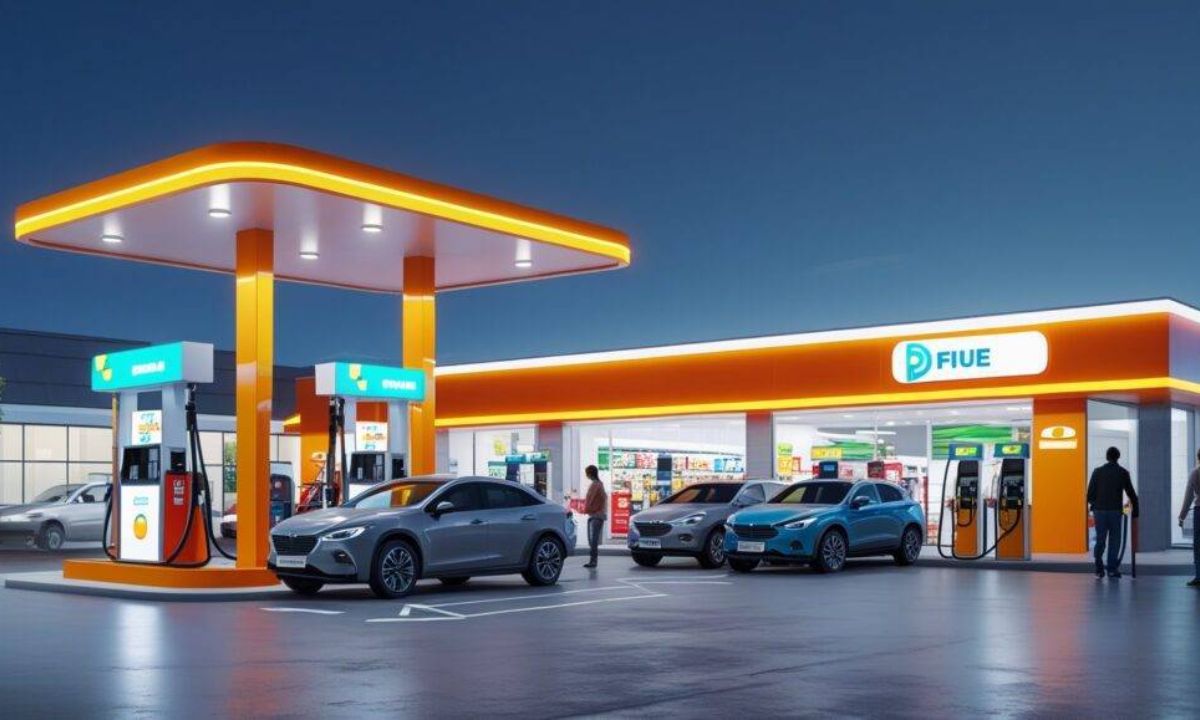
Retailers are no longer limiting themselves to selling groceries, clothing, or household goods. Many large and small retail chains are now entering the fuel business to expand their services and increase revenue. This trend is reshaping the traditional retail model in significant ways. By combining fuel stations with retail stores, companies are creating one-stop destinations for customers. This shift also reflects changing consumer behavior and competitive market pressures. Educators need a clear understanding of this development to explain modern retail strategies effectively.
Entering fuel sector brings both opportunities and challenges for retailers. It can generate steady cash flow and attract more foot traffic to stores. However, it also requires careful planning, investment, and compliance with strict regulations. Supply chain management becomes more complex when fuel logistics are involved. Pricing strategies must respond quickly to global oil market changes. This guide provides simple and practical insights to help educators teach this evolving business model with confidence.
What Does It Mean When Retailers Enter the Fuel Business
When we talk about retailers entering fuel business, we mean traditional stores like supermarkets, convenience shops, and big-box retailers adding gas stations to their locations. Think of your local grocery store that now has fuel pumps in the parking lot. This isn’t just about selling gasoline, it’s a smart business move that changes how customers shop.
The basic idea is simple. Stores noticed that people need to buy gas regularly. Instead of letting customers drive to a separate gas station, retailers decided to offer fuel right at their store location. This creates a one-stop shopping experience where customers can fill their tank and buy groceries at the same time.
Many major grocery chains now operate fuel stations. Warehouse clubs and wholesale retailers have also jumped into this market. The trend continues to grow as more retailers see the benefits of offering fuel alongside their regular products.
Why Retailers Are Adding Fuel Services
Several important reasons drive retailers entering fuel business. Understanding these motivations helps explain a major shift in modern retail strategy.
Bringing More Customers to the Store
Fuel stations act like magnets for customer traffic. People need to refuel their vehicles regularly, often once or twice a week. When a retailer adds fuel pumps, these weekly fuel stops become opportunities for additional shopping. A customer who comes just for gas might decide to grab a coffee, pick up milk, or do their weekly grocery shopping while they’re already at the location.
Research shows that many customers who visit a fuel station will also enter the store. Even if they only buy a few small items, these additional purchases add up across thousands of customers each week.
Creating New Revenue Streams
Traditional retail faces tough challenges. Online shopping has changed consumer habits. Competition has increased. Profit margins on many products have shrunk. Retailers entering fuel business gain a new source of income that doesn’t depend solely on selling clothes, groceries, or household items.
While fuel itself has low profit margins, the volume of sales can be substantial. More importantly, fuel brings customers through the door, where they buy higher-margin items like snacks, beverages, and prepared foods.
Building Stronger Customer Loyalty
Loyalty programs become more powerful when they include fuel rewards. Many retailers offer discounts on gas when customers spend money in their stores. For example, spend $100 on groceries and get 10 cents off per gallon of gas. This creates a cycle where customers keep coming back to earn and use their fuel rewards.
These programs work because fuel is an essential expense. Unlike optional purchases, people must buy gas regularly. Tying fuel discounts to store purchases gives customers a tangible reason to choose one retailer over competitors.
Gathering Valuable Customer Data
Every fuel purchase provides information about customer behavior. Retailers can see how often customers visit, how much they typically spend, and what patterns emerge over time. This data helps stores make better decisions about inventory, staffing, and promotions.
When combined with in-store purchase data, fuel transaction information creates a complete picture of customer habits. Retailers use these insights to personalize offers and improve the overall shopping experience.
Different Types of Retailers Offering Fuel
Various kinds of retailers entering fuel business approach this opportunity in different ways.
Grocery Stores and Supermarkets
Large grocery chains have become the most visible participants in retail fuel. Supermarkets with attached fuel stations offer maximum convenience. Customers can complete two necessary tasks, buying food and getting gas, in one trip. This saves time and reduces the number of stops people need to make during their busy week.
Grocery-based fuel stations often feature competitive pricing. The stores can use their buying power and overall business volume to offer attractive fuel prices that draw customers away from traditional gas stations.
Warehouse Clubs and Wholesale Retailers
Big-box stores and membership warehouses view fuel as a key member benefit. These retailers often price fuel below market rates as an incentive for membership renewals. The strategy works because cheap gas gives members a clear, measurable reason to maintain their annual membership fees.
Members might join initially for bulk groceries and household items, but the fuel savings become a major reason to continue membership year after year.
Convenience Stores
Small convenience stores partner with fuel brands or add pumps to create hybrid locations. Unlike larger retailers who add fuel to existing operations, many convenience stores started with fuel and added retail. However, modern convenience retailers now emphasize the symbiotic relationship between fuel sales and in-store purchases.
These locations focus on quick transactions and impulse purchases. Coffee, energy drinks, snacks, and tobacco products generate most of the profit, while fuel draws customers to the location.
Benefits That Come from This Business Model
Retailers entering fuel business experience several advantages that strengthen their competitive position.
Better Use of Real Estate
Large parking lots at retail locations often have unused space. Adding fuel pumps makes productive use of this real estate without requiring stores to acquire new property. The investment turns empty pavement into a revenue-generating asset.
Competitive Advantage Over Rivals
When two similar stores compete in the same area, fuel service can be the deciding factor for customers. If one grocery store offers fuel rewards and the other doesn’t, many customers will choose the store with fuel benefits. This advantage can shift market share significantly over time.
Protection Against Retail Disruption
As online shopping grows, physical retailers need reasons for customers to visit in person. Fuel provides something that can’t be delivered to your home. It gives brick-and-mortar locations a service advantage that pure online retailers cannot match.
Increased Average Customer Value
The total amount each customer spends increases when fuel is part of the equation. A shopper might spend $50 on groceries and $40 on gas during one visit. The retailer captures both transactions, increasing the overall value of each customer relationship.
Challenges Retailers Face in the Fuel Business
Despite the benefits, retailers entering fuel business must overcome several significant obstacles.
High Initial Costs
Building a fuel station requires substantial investment. Underground storage tanks, pumps, safety equipment, and regulatory compliance all cost money. Retailers must spend hundreds of thousands of dollars before selling a single gallon of gas. This upfront expense can be difficult for smaller retailers to manage.
Complex Regulations and Safety Requirements
Fuel storage and sales come with strict government regulations. Environmental protection laws require careful handling of gasoline and diesel. Safety standards demand proper equipment maintenance. Retailers must hire specialized staff or consultants to ensure compliance with all applicable rules.
Regular inspections and certifications add to the ongoing operational burden. Mistakes or violations can result in heavy fines or forced closures.
Volatile Fuel Prices
Gasoline and diesel prices fluctuate based on global oil markets, seasonal demand, and geopolitical events. These price swings make planning difficult. Retailers must adjust prices frequently and manage customer expectations during periods of rising costs.
When fuel prices spike suddenly, customers may blame the retailer, even though the store has limited control over wholesale costs. Managing these perceptions requires clear communication and customer education.
Supply Chain Complexity
Maintaining a reliable fuel supply requires relationships with distributors and careful inventory management. Running out of fuel damages the retailer’s reputation and frustrates customers. However, storing too much fuel ties up capital and increases risk.
Weather events, transportation disruptions, or supplier problems can interrupt fuel deliveries. Retailers need backup plans and contingency strategies to handle these situations.
Technology and Innovation in Retail Fuel
Modern technology plays a critical role in how retailers entering fuel business operate their stations.
Digital Payment Systems
Contactless payment, mobile apps, and digital wallets make fuel purchases faster and more convenient. Customers can pay at the pump without entering the store, reducing wait times during busy periods. These systems also integrate with loyalty programs, automatically applying discounts and tracking rewards.
Dynamic Pricing Software
Sophisticated software helps retailers adjust fuel prices in response to market conditions. The system can factor in competitor prices, local demand, and wholesale costs to set optimal prices automatically. This technology helps retailers stay competitive without constant manual price monitoring.
Mobile Apps and Customer Engagement
Dedicated apps allow customers to track fuel rewards, locate nearby stations, and receive personalized offers. Push notifications can alert customers to special promotions or price drops. These digital tools deepen customer relationships and increase visit frequency.
The Future of Retail Fuel Services
The landscape continues to change as new energy sources and consumer preferences emerge.
Electric Vehicle Charging
Many retailers entering fuel business now include electric vehicle (EV) charging stations in their plans. As more drivers switch to electric cars, charging infrastructure becomes essential. Retailers with prime locations can attract EV drivers who need to charge their vehicles during longer shopping trips.
EV charging stations require different equipment and strategies than traditional fuel pumps. Charging takes longer than filling a gas tank, which means customers spend more time at the location, potentially increasing in-store sales.
Alternative and Sustainable Fuels
Some retailers offer biodiesel, ethanol blends, or other alternative fuels. These options appeal to environmentally conscious customers and help retailers demonstrate commitment to sustainability. As governments push for cleaner energy, retailers with diverse fuel offerings will be better positioned for the future.
Solar Power and Green Infrastructure
Forward-thinking retailers install solar panels at fuel stations to generate clean electricity. LED lighting and energy-efficient equipment reduce environmental impact and operating costs. These green investments align with consumer values and prepare retailers for stricter environmental regulations.
What This Means for Local Communities
Retailers entering the fuel business affects communities in various ways.
More Jobs and Economic Activity
Fuel stations create employment opportunities for attendants, maintenance workers, and managers. Even automated stations require staff for customer service, cleaning, and oversight. These jobs contribute to local employment and economic growth.
Increased Competition and Better Prices
When retailers add fuel services, competition in the local fuel market increases. Traditional gas stations must improve their service, lower prices, or add amenities to compete. This competition generally benefits consumers through better prices and service quality.
Convenience for Busy Families
Combining fuel and shopping saves time for families juggling work, school, and activities. Parents appreciate the ability to fill up the car while picking up groceries, reducing the number of errands they need to run separately.
Teaching Business Concepts Through This Trend
For educators, retailers entering fuel business provide excellent examples for teaching important concepts.
Diversification Strategy
This trend illustrates how companies diversify their revenue sources to reduce risk. When traditional retail margins shrink, adding fuel creates a buffer against market volatility.
Vertical Integration
Some retailers are taking control of more steps in their supply chain by operating fuel services. This vertical integration can improve efficiency and increase profit potential.
Loss Leader Strategy
Fuel often operates as a loss leader—a product sold at little or no profit to attract customers who then buy higher-margin items. This classic retail strategy becomes concrete and understandable through the fuel business example.
Customer Lifetime Value
The loyalty programs that tie fuel to shopping demonstrate how businesses think about the total value of a customer relationship over time, not just individual transactions.
Market Disruption
Traditional gas stations face disruption from retail giants entering their market. This shows how established industries can be challenged by companies with different core businesses and new strategic approaches.
Frequently Asked Questions
Why would a grocery store want to sell gasoline
Grocery stores sell gasoline to bring more customers to their location and build loyalty through fuel reward programs. While gas has low profit margins, it creates regular customer visits that lead to additional grocery purchases with higher profits.
How do fuel rewards programs work
Most programs give customers discounts on gas based on their in-store purchases. For example, you might earn 5 cents off per gallon for every $50 you spend on groceries. These discounts typically expire after a certain period to encourage regular shopping.
Is fuel from a grocery store the same quality as regular gas stations
Yes, fuel quality is regulated by government standards regardless of where you buy it. Retailers entering fuel business must meet the same quality and safety requirements as traditional gas stations. The gasoline comes from the same refineries and distributors.
Do all retail fuel stations offer lower prices
Not always. While many retailers use competitive fuel pricing to attract customers, prices vary based on location, local competition, and business strategy. Some retailers focus more on loyalty rewards than everyday low prices.
Can small retailers afford to add fuel services
The high cost of building and operating fuel stations makes this challenging for small independent retailers. Most successful examples involve large chains with significant capital resources. However, some smaller retailers form partnerships or cooperatives to share costs and infrastructure.
How does selling fuel help retailers compete with online shopping
Fuel provides a service that requires physical presence, you can’t buy gasoline online and have it delivered to your home. This gives physical stores a unique advantage and reason for customers to visit in person, where they might also do their regular shopping.
Conclusion
The trend of retailers entering the fuel business represents a strategic response to changing retail conditions. By adding fuel services, stores create more reasons for customers to visit, build stronger loyalty, and generate additional revenue streams. While challenges exist, including high costs, complex regulations, and price volatility, many retailers find the benefits worth the investment.
For educators, this business trend offers rich teaching opportunities. It demonstrates practical applications of business strategy, economics, consumer behavior, and market dynamics. Whether discussing diversification, loss leaders, or customer loyalty, the retail fuel business provides concrete, relatable examples that students can observe in their own communities.
As the energy landscape continues to change with electric vehicles and alternative fuels, retailers entering the fuel business will need to adapt and innovate. Those who successfully navigate these transitions will strengthen their competitive position and continue serving customer needs in new ways. Understanding this evolution helps students grasp how businesses must constantly respond to technological change, environmental concerns, and shifting consumer preferences in our dynamic economy.
