


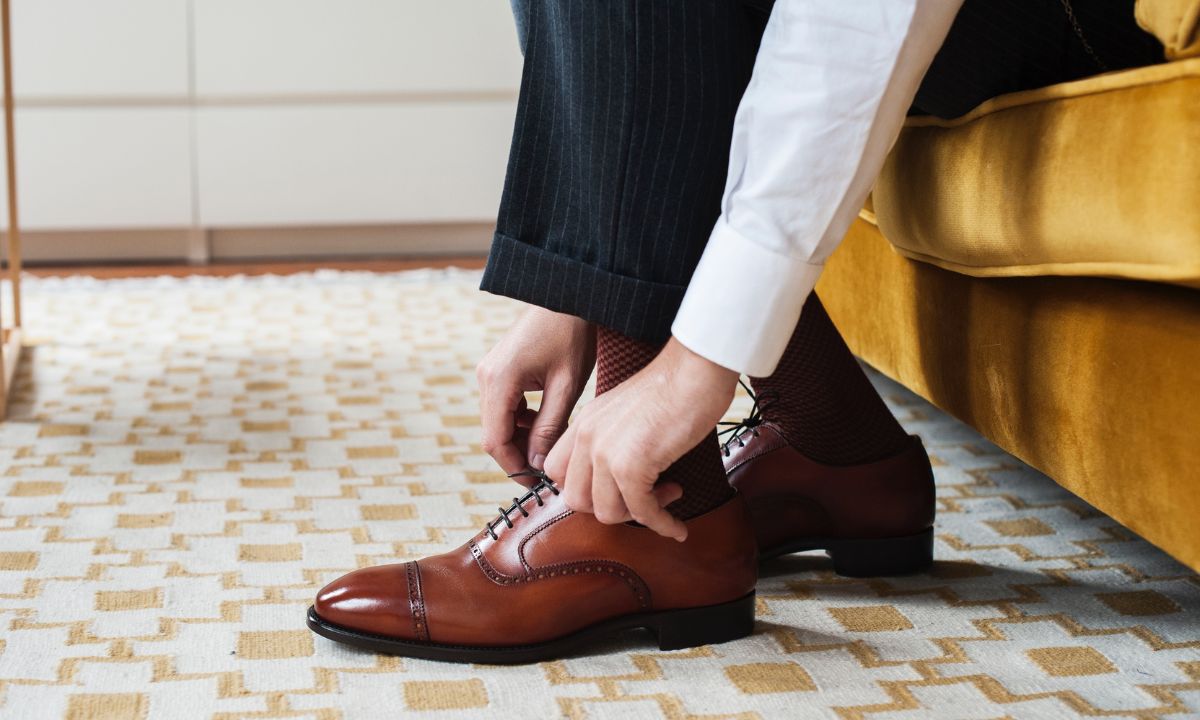
Business casual shoes are important for work and events. They need to look good and feel comfortable. Choosing the right pair can boost your confidence. This guide will help you pick shoes that fit both style and work needs.
You can find many types of business casual shoes. Some are sleek, while others are more relaxed. Comfort matters as much as appearance. With the right shoes, you can feel professional and confident all day..
Understanding Business Casual Dress Codes
Business casual has become the standard dress code at many workplaces. Unlike formal business attire, which requires dress shoes and suits, business casual allows for more flexibility while maintaining a polished, professional appearance.
The definition of business casual varies by industry and company culture. A tech startup’s business casual might look different from a law firm’s interpretation. Generally, business casual means wearing dress pants or khakis paired with collared shirts, blouses, or blazers—along with appropriate footwear.
Your shoes play a crucial role in completing a business casual outfit. They signal respect for the workplace and show that you’ve put thought into your appearance. The right pair sets a confident tone for your day, while poor shoe choices can undermine an otherwise well-put-together look.
The Essential Types of Business Casual Shoes
Loafers: Timeless and Versatile
Loafers are perhaps the most popular choice for business casual environments. They offer comfort for all-day wear and require minimal break-in time compared to other dress shoes. The slip-on design makes them convenient for busy mornings or when you need to remove and replace your shoes frequently.
Leather loafers work well with dress pants, chinos, and even dark jeans in some workplace settings. They come in various styles, penny loafers, tassel loafers, and driver loafers, each offering a slightly different aesthetic. A classic brown or black leather loafer remains a smart investment that never goes out of style.
The beauty of loafers lies in their adaptability. Pair them with business casual weekend wear, and they work just as well outside the office. A quality loafer can serve you for years, making it worth the investment.
Oxfords: Classic Professional Choice
Oxford shoes have been a business staple for generations. Their structured lace-up design conveys formality while remaining appropriate for business casual dress codes. Oxfords come in leather, suede, and hybrid materials, offering different textures and finishes.
For business casual settings, whole-cut oxfords or cap-toe styles work beautifully. They pair naturally with dress pants and look equally polished with chinos. The lace-up design provides a secure fit, which matters if you’re on your feet most of the day.
Oxfords require a slightly longer break-in period than loafers, but many people find them more supportive for extended wear. The structured heel and arch support can reduce foot fatigue during long days at the office.
Derby Shoes: Comfortable Formality
Derby shoes resemble oxfords but feature an open lacing system that makes them easier to put on and take off. This design also provides a slightly roomier fit around the foot, making them an excellent choice for people who find traditional oxfords tight.
A derby shoe offers the formal appearance of traditional dress shoes without sacrificing comfort. They look appropriate in any business casual setting and transition well into business formal environments when needed.
The open lacing design makes derbies particularly popular among people who spend much of their day moving between offices and standing meetings.
Monk Strap Shoes: Modern Sophistication
Monk strap shoes feature one or two straps with buckles instead of laces. They’ve gained popularity in recent years as a sophisticated alternative to traditional dress shoes. Single-strap monk shoes offer a clean, modern look, while double-strap versions provide extra character.
These shoes work exceptionally well with business casual outfits and appear equally polished in business formal settings. The buckle design creates visual interest without appearing casual or trendy. They’re particularly popular in creative industries where professionals want to express personality within dress codes.
Brogues: Detail and Character
Brogues are dress shoes characterized by decorative stitching and perforations. Available in full brogue, semi-brogue, and quarter-brogue styles, they range from highly ornate to relatively simple. The decorative elements make brogues an excellent choice for professionals who want shoes with personality.
Full brogues work beautifully in business casual settings and even lean toward business formal depending on color and material. A brown or tan brogue offers warmth, while black or charcoal provide sophistication. The detail in the design prevents these shoes from appearing boring, which matters if you’re particular about style.
Slip-On Dress Shoes: Maximum Convenience
Some dress shoes feature slip-on designs without being traditional loafers. These might include elastic bands, leather straps, or other mechanisms that provide easy entry. Slip-on dress shoes combine the formality of structured dress shoes with the convenience of loafers.
For busy professionals who value speed and efficiency in their morning routine, slip-on dress shoes offer an attractive middle ground. They maintain the polished appearance of traditional dress shoes while streamlining the dressing process.
Choosing the Right Material
Leather: The Premium Choice
Genuine leather remains the gold standard for business casual shoes. It develops character over time, molds to your foot for a custom fit, and can last for years with proper care. Full-grain leather shows natural markings and imperfections, creating a distinctive appearance.
Different leather types offer different aesthetics. Smooth calf leather appears more formal, while nubuck and suede provide texture and visual interest. Each leather type requires specific care, so consider maintenance when making your selection.
Quality leather shoes may cost more initially, but they provide better value over time. They develop a patina that many people find attractive, and they can often be repaired and resoled, extending their lifespan significantly.
Hybrid Materials: Innovation Meets Practicality
Modern shoe manufacturing offers hybrid materials that combine leather with synthetic components. These materials often provide enhanced breathability, easier maintenance, and greater flexibility while maintaining the appearance of traditional leather shoes.
Some professionals prefer hybrid materials because they reduce the learning curve associated with leather care. These shoes still offer durability and professional appearance while being more forgiving during the break-in period.
Suede and Nubuck: Texture and Warmth
Suede and nubuck add visual texture to business casual shoes. These materials work particularly well in autumn and winter when their warmer appearance complements seasonal clothing. They require more maintenance than smooth leather and can be challenging to clean, but many people appreciate their distinctive look.
For business casual environments where standard leather might seem too formal, suede adds a relaxed element while maintaining sophistication.
Essential Features for All-Day Comfort
Arch Support and Cushioning
Business casual shoes should provide adequate arch support, especially if you spend your day on your feet. Proper arch support reduces fatigue and prevents foot pain that can distract you during important meetings or presentations.
Look for shoes with cushioned insoles and structured arch support. Many quality business casual shoes come with removable insoles, allowing you to add custom orthotics if needed for additional support.
Heel Height Considerations
Business casual shoes for men typically feature heels between 0.75 and 1.5 inches. Women’s options range more widely depending on personal preference and workplace culture. Higher heels can appear more formal but may cause discomfort during extended wear.
For all-day comfort, many professionals prefer moderate heel heights that provide visual lift without causing fatigue. If you spend most of your day at a desk, heel height matters less than overall comfort.
Breathability and Foot Health
Shoes that allow air circulation help keep your feet dry and comfortable throughout the day. Leather naturally breathes better than synthetic materials, though hybrid options have improved significantly. Moisture-wicking linings and perforations can enhance breathability.
Proper ventilation becomes especially important if you commute by public transportation or walk between locations. Shoes that trap moisture can lead to odor and discomfort.
Proper Fit and Sizing
Ill-fitting shoes are the enemy of all-day comfort. Spend time finding your correct size—remember that sizing can vary between manufacturers. Your shoes should feel snug but not tight, with about a finger’s width of space between your longest toe and the shoe’s end.
Consider shopping later in the day when your feet have expanded from daily activity. This helps ensure you select shoes that fit comfortably after hours of wear. Remember that quality dress shoes require a break-in period, but they shouldn’t cause pain during this adjustment phase.
Building a Functional Business Casual Shoe Wardrobe
The ideal business casual wardrobe includes multiple pairs of shoes in complementary colors and styles. This approach has several advantages: it prevents excessive wear on any single pair, allows shoes to dry completely between wearings, and ensures you always have an appropriate option for different outfits and occasions.
Foundation pairs form the core of your business casual shoe collection. A black leather oxford or loafer works with almost any outfit and appears appropriate in any professional setting. A brown pair, whether in tan, caramel, or chocolate tones, offers versatility while providing a warmer alternative.
Secondary options expand your styling possibilities. A burgundy or oxblood pair adds personality while remaining professional. A grey option provides neutrality with more visual interest than black. Tassel loafers or monk strap shoes in interesting colors or materials can provide character while maintaining professionalism.
Seasonal considerations matter more than many realize. Lighter colors and breathable materials work well in summer, while richer tones and textured materials suit autumn and winter. Some professionals maintain separate summer and winter shoe collections.
Styling Business Casual Shoes with Your Wardrobe
Business casual shoes work best when they complement your overall outfit. The relationship between shoes, pants, and shirt color impacts your entire appearance.
With dress pants, business casual shoes should generally match the formality level. Navy or charcoal dress pants work beautifully with black, brown, or burgundy shoes. Match your shoes to your belt if possible, creating visual continuity through the lower half of your outfit.
With khakis and chinos, brown and tan shoes naturally complement the palette. Loafers work particularly well with these casual-leaning pants, creating a relaxed yet polished appearance. Black shoes can work but may appear slightly formal depending on the khaki shade.
With dark jeans, business casual allows for interpretation depending on workplace culture. If jeans are acceptable in your office, leather loafers or oxfords maintain professionalism while embracing a relaxed aesthetic. This combination works especially well in creative industries.
With colored pants like olive, burgundy, or grey, choose shoes that either match or provide complementary contrast. Neutral shoes in black, brown, or grey rarely disappoint, while more adventurous shoe colors can add visual interest without appearing unprofessional.
Caring for Your Business Casual Shoes
Proper maintenance extends shoe lifespan significantly and keeps them looking polished. Develop a simple care routine that fits your lifestyle.
Daily care includes using a shoe horn to prevent heel damage when putting on shoes—a small device that costs little but dramatically extends shoe life. Remove shoes at the end of each day and insert shoe trees, which absorb moisture and help shoes maintain their shape.
Weekly cleaning involves brushing off surface dirt with a soft brush. For scuffs or stains, use a damp cloth to gently clean the surface. Allow shoes to dry naturally away from direct heat, which can damage leather.
Monthly maintenance should include more thorough cleaning and conditioning. Leather conditioner keeps material supple and helps protect against stains. Follow the product instructions carefully, as over-conditioning can damage some leather types.
Professional care becomes important for stubborn stains, significant scuffs, or worn heels and soles. A quality cobbler can repair, resole, and refinish shoes, extending their life for years. This service, while not inexpensive, represents smart investment in quality shoes.
Finding Your Perfect Pair
Selecting business casual shoes ultimately comes down to personal preference, workplace culture, and your daily activities. Consider how much time you spend on your feet, the climate where you live, your personal style preferences, and your budget.
Visit a store where you can try multiple pairs and walk around. Pay attention to how shoes feel during extended wear, not just in the first few minutes. Reading reviews from other customers can provide insight into how shoes perform over time.
Remember that quality matters. A well-made pair of business casual shoes costs more initially but outlasts cheaper alternatives and provides better comfort and appearance. Quality shoes develop character, mold to your feet, and can last for years with proper care.
Frequently Asked Questions
What’s the difference between business casual and business formal shoes
Business formal shoes are typically more structured and polished, often featuring laces and minimal ornamentation. They demand flawless condition and formal maintenance. Business casual shoes allow more variety in style, material, and design. Loafers are generally appropriate for business casual but might be considered too informal for business formal settings.
Can I wear sneakers as business casual shoes
This depends entirely on your workplace culture. Some tech and creative companies accept clean, quality sneakers as business casual. Most traditional corporate environments do not. If you’re uncertain, ask your manager or HR department. When in doubt, err toward traditional dress shoes.
How long does it take to break in dress shoes
Most quality dress shoes require 5-15 wearings for initial comfort. Leather naturally molds to your feet during this period. If shoes are causing pain rather than minor discomfort after several wearings, they may be the wrong size or style for your feet.
Should business casual shoes match my belt
Matching shoes and belt is a classic styling principle that works well. When colors match, they create visual continuity that appears intentional and polished. However, complementary colors or neutral combinations also work—matching is a guideline rather than an absolute rule.
What color business casual shoes work with everything? Black and dark brown leather shoes work with nearly any business casual outfit. Black appears more formal and works with any color palette. Brown is slightly more relaxed and works particularly well with warm colors and earth tones.
How often should I replace business casual shoes
With proper care, quality business casual shoes can last 5-10 years. Rotate between multiple pairs to prevent excessive wear on any single pair. When heels wear significantly, a cobbler can resole shoes, extending lifespan further.
Are expensive shoes always better quality
Higher price often correlates with better materials and craftsmanship, but not always. Research brands, read reviews, and examine construction. A moderately priced shoe from a reputable manufacturer may offer better value than an expensive pair from an unknown brand.
What’s the best business casual shoe for people with wide feet
Derby shoes and loafers typically offer roomier fits than oxfords. Look for brands known for wide-width options. Visit specialty shoe stores where staff can help find appropriate sizes and styles for your foot width.
Can I wear the same business casual shoes every day
While possible, rotating between multiple pairs is ideal. Leather needs time to dry completely between wearings. Alternating shoes prevents excessive wear and maintains shoe shape and comfort. Most professionals benefit from having at least two pairs of primary business casual shoes.
What makes a good investment in business casual shoes
Look for quality leather construction, proper arch support, established brand reputation, and versatile styling. Consider how often you’ll wear the shoes and whether they match your existing wardrobe. Shoes that work with multiple outfits provide better value than those limited to specific combinations.
