


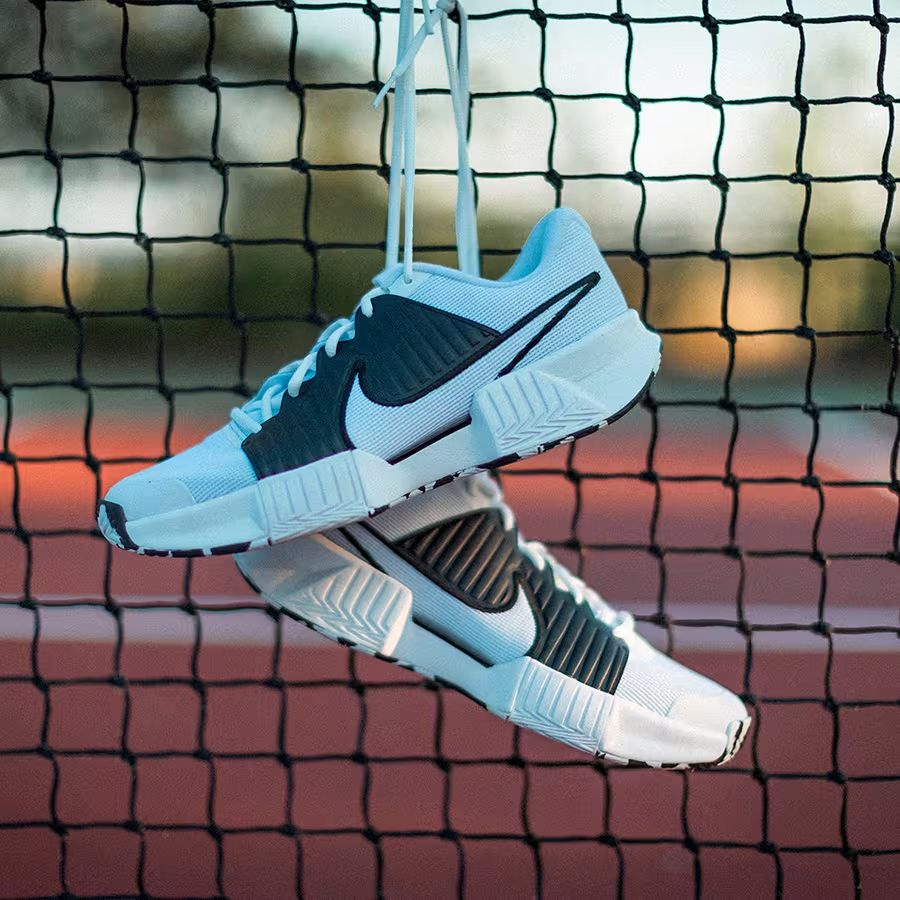
Pickleball has become one of the fastest-growing sports in America, and if you’re a woman who plays regularly, you already know that having the right shoes makes all the difference. Regular athletic shoes might work for casual play, but dedicated pickleball shoes for women offer specific features that protect your feet and improve your game.
This guide covers everything you need to know about choosing the best pickleball shoes for women, from key features to look for to common mistakes to avoid.
Why You Need Proper Pickleball Shoes for Women
Many women start playing pickleball in their running shoes or general sneakers. While this works for a few games, pickleball involves specific movements that require specialized footwear.
Pickleball demands quick lateral movements, sudden stops, and rapid direction changes. Running shoes are designed for forward motion, which means they lack the side-to-side support your ankles need during a match. Tennis or court-specific shoes provide better stability for the sideways shuffling and pivoting that pickleball requires.
Women’s feet also have unique structural differences compared to men’s feet. Women typically have narrower heels, higher arches, and different pressure points. Quality pickleball shoes for women account for these differences with proper sizing and design.
Key Features to Look for in Women’s Pickleball Shoes
Lateral Support
The most important feature in any pickleball shoe is lateral support. This means the shoe keeps your foot stable when you move side to side. Look for shoes with reinforced sides and a wider base. This prevents ankle rolling and provides the stability you need when you lunge for those low shots.
Cushioning and Comfort
Court shoes need enough cushioning to absorb impact without being too soft. Too much cushioning can make you feel unstable, while too little leaves your feet sore after long matches. The sweet spot offers responsive cushioning that protects your joints while keeping you close to the ground for better court feel.
Breathability
Pickleball games can get intense, and your feet will sweat. Mesh panels or breathable materials keep air flowing through your shoes, reducing moisture and preventing blisters. This feature becomes especially important during tournament play or long practice sessions.
Traction and Grip
Indoor and outdoor pickleball courts have different surfaces, and your shoes need appropriate tread patterns. Indoor courts require non-marking soles with a herringbone or modified herringbone pattern. Outdoor courts need more aggressive tread for concrete or asphalt surfaces. Some shoes work well for both, but specialized options perform better.
Toe Protection
The pickleball toe drag is real. When you push off or slide to reach shots, your toes often drag across the court surface. Reinforced toe caps extend the life of your shoes and prevent painful toe injuries.
Proper Fit
Women’s pickleball shoes should fit snugly in the heel while allowing your toes some wiggle room. Your heel should not slip when you move, and the shoe should flex at the ball of your foot. A proper fit prevents blisters and ensures maximum support.
Indoor vs Outdoor Pickleball Shoes for Women
Understanding the difference between indoor and outdoor pickleball shoes helps you make the right choice for where you play most often.
Indoor pickleball shoes have softer, gum rubber soles that won’t leave marks on gym floors. The tread pattern focuses on grip without being too aggressive. These shoes work perfectly on smooth wooden or composite court surfaces.
Outdoor pickleball shoes feature harder rubber compounds that withstand rough concrete and asphalt. The tread patterns are deeper and more durable. While you can use outdoor shoes indoors, they may feel too stiff and could mark certain floor types.
If you play in both environments regularly, consider having two pairs or choosing a versatile court shoe that performs adequately in both settings.
Common Mistakes When Buying Pickleball Shoes for Women
Choosing Style Over Function
Cute shoes are great, but performance matters more. Many fashionable athletic shoes lack the lateral support and stability features that pickleball demands. Choose shoes designed for court sports first, then pick your favorite color among quality options.
Ignoring Width Options
Not all women have the same foot width. Some brands offer narrow, regular, and wide sizes. Wearing shoes that are too narrow causes pain and blisters, while shoes that are too wide reduce stability and control.
Buying the Wrong Size
Feet swell during physical activity. Many experts recommend going up half a size from your regular shoe size for athletic footwear. This gives your feet room to expand without causing discomfort during long matches.
Skipping the Break-In Period
Even the best pickleball shoes for women need a break-in period. Wear your new shoes around the house or during light practice before using them in competitive play. This helps the shoes mold to your feet and prevents painful blisters during important matches.
Using Running Shoes
Running shoes cannot replace proper court shoes. The cushioning, support system, and tread pattern in running shoes are completely different from what pickleball requires. Using running shoes increases your injury risk and reduces your performance on the court.
How to Make Your Pickleball Shoes Last Longer
Quality pickleball shoes for women represent an investment, and proper care extends their lifespan significantly.
Only wear your pickleball shoes on the court. Wearing them for everyday activities wears down the soles and reduces their effectiveness during play. Keep a separate pair for walking to and from the courts.
Clean your shoes regularly by wiping them down after each session. Remove dirt and court debris before it works into the materials. Allow shoes to air dry completely between uses, and never put them in the dryer.
Rotate between two pairs if you play frequently. This gives each pair time to decompress and dry out between sessions, which helps them maintain their shape and support longer.
Replace your shoes when you notice decreased support, worn-down tread, or visible damage to the upper materials. Most players need new shoes every 6-12 months depending on how often they play.
Top Features in Premium Pickleball Shoes for Women
High-end pickleball shoes for women often include additional technologies that justify their higher price points. These might include enhanced stability systems, premium cushioning materials, or advanced ventilation designs.
Look for shoes with removable insoles if you use custom orthotics. Many premium shoes also offer better arch support options for different foot types. Some brands design specific models for players with pronation issues or other biomechanical concerns.
Memory foam collars and padded tongue areas increase comfort during long playing sessions. Anti-microbial treatments help control odor, which matters during hot summer tournaments.
Finding the Right Pickleball Shoes for Your Playing Style
Aggressive baseline players who run down every ball need maximum cushioning and durability. If this describes your game, prioritize shock absorption and toe reinforcement.
Strategic players who rely on positioning and quick reactions need responsive shoes that provide excellent court feel. Look for thinner, more flexible soles that keep you connected to the court surface.
All-around players benefit from balanced shoes that offer a mix of cushioning, support, and responsiveness. These versatile options handle different playing styles and court surfaces well.
When to Replace Your Pickleball Shoes for Women
Even the best shoes wear out eventually. Watch for these signs that indicate you need new pickleball shoes:
The tread pattern becomes smooth or worn down in high-contact areas. When you can’t feel the grooves anymore, your traction has decreased significantly.
The midsole feels compressed and no longer springs back after use. This means the cushioning has broken down and won’t protect your joints properly.
You notice new aches or pains in your feet, ankles, or knees. Worn-out shoes change your biomechanics and can cause injury.
The upper materials show tears, separations, or significant wear. Once the structure breaks down, the shoe can’t provide proper support.
FAQ About Pickleball Shoes for Women
Can I use tennis shoes for pickleball?
Yes, tennis shoes work well for pickleball since both sports involve similar lateral movements and court surfaces. Many players successfully use quality tennis shoes designed for women. Just make sure they have good lateral support and appropriate soles for your court type.
What’s the difference between men’s and women’s pickleball shoes?
Women’s pickleball shoes are designed specifically for women’s foot anatomy, which typically includes a narrower heel, different arch placement, and overall narrower proportions. Women’s shoes also account for biomechanical differences in movement patterns and weight distribution.
How much should I spend on pickleball shoes?
Quality pickleball shoes for women typically range from $60 to $150. Beginners can start with mid-range options around $70-$90, while serious players often invest $100-$150 in premium shoes with advanced features. The right price depends on how often you play and your performance goals.
Can I wear my pickleball shoes outside the court?
You should only wear your pickleball shoes on the court. Walking on pavement, dirt, or other surfaces wears down the specialized soles much faster and reduces their effectiveness during play. Keep a separate pair of shoes for getting to and from the courts.
How often should I replace my pickleball shoes?
Most players need new pickleball shoes every 6-12 months, depending on playing frequency and intensity. If you play three or more times per week, expect to replace your shoes closer to the 6-month mark. Casual players who only play once a week might get a full year or more from their shoes.
Do I need different shoes for indoor and outdoor pickleball?
Ideally, yes. Indoor courts require non-marking soles with specific tread patterns, while outdoor courts need more durable, aggressive treads. If you only play in one environment, buy shoes designed for that surface. Players who regularly play in both settings benefit from having two pairs or choosing versatile court shoes that work adequately in both places.
